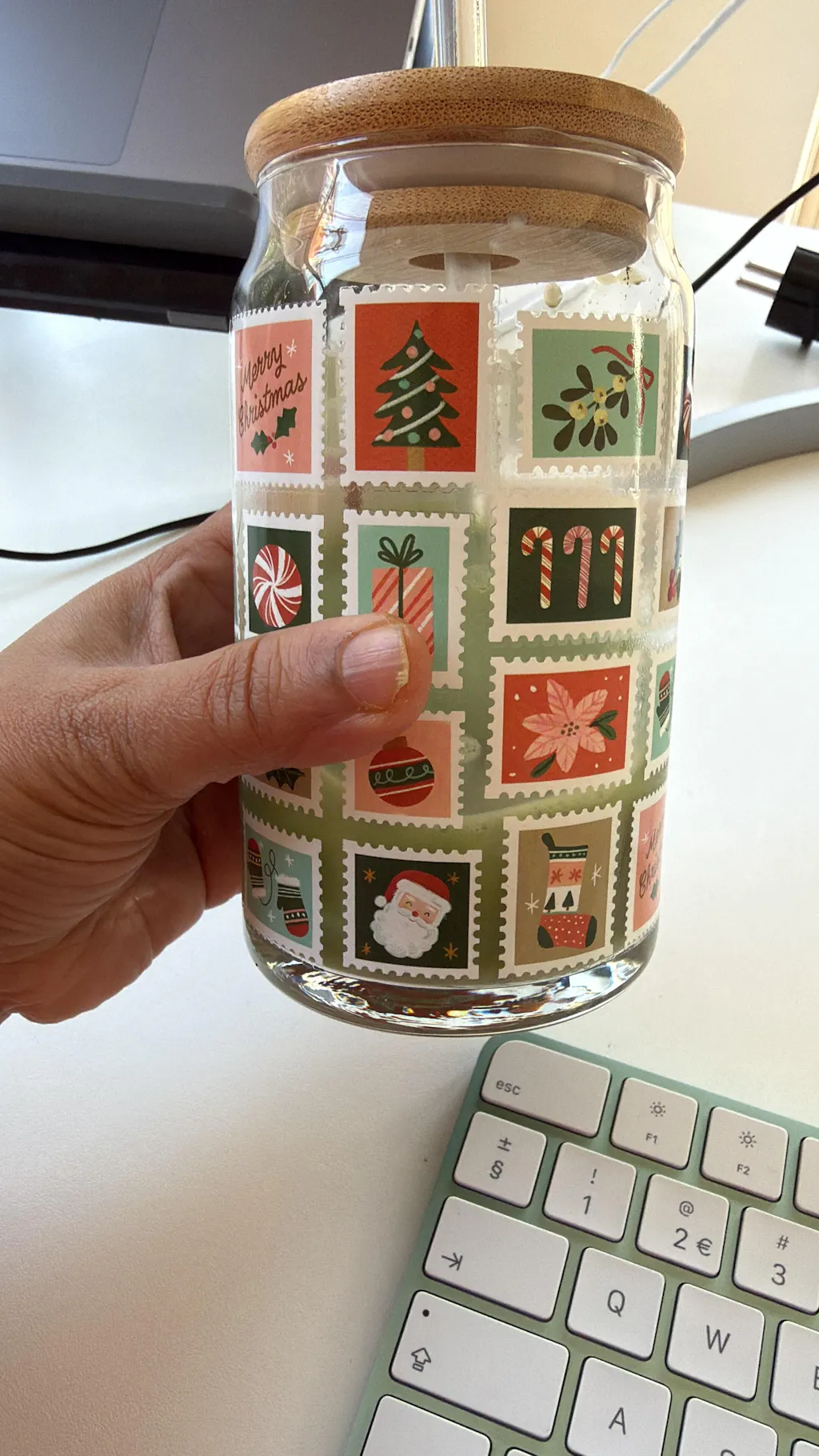
You already know the coffee feeling. The hit is fast, it feels great for about an hour, and then you're back to square one. Tired, slightly anxious, reaching for cup number two before noon.
So when people started talking about matcha as a coffee alternative, it was easy to be skeptical. A green powder that gives you energy without the crash? Sounds like the kind of thing that gets posted between a celery juice recipe and a "morning routine" video.
But the science behind matcha is actually solid. And once you understand what's going on, the switch makes a lot of sense.
Let's get into it.
The caffeine is real (just different)
Matcha does contain caffeine. If you've heard otherwise, that's wrong.
A standard serving of matcha (about 1g of powder, or one Zenara stick) contains roughly 40–70mg of caffeine. A regular cup of coffee sits at around 80–100mg. So matcha has less caffeine, but it's not low caffeine. It's just a smaller dose, delivered differently.
That delivery difference is the whole point. Coffee hits your bloodstream fast, spikes hard, and drops off. That spike is the reason you feel great at 9am and foggy by 11am. Matcha releases its caffeine more slowly because of how the other compounds in the leaf work, specifically one called L-theanine, which we'll get to in a second.
The practical result: matcha gives you energy that builds gradually and holds longer. Not a shorter, sharper hit. A steadier, more sustained one.

L-theanine is the real reason matcha feels different
Here's what makes matcha genuinely different from every other caffeinated drink: it contains L-theanine, an amino acid that has a calming effect on the brain.
When L-theanine and caffeine are in your system together, which is exactly what happens when you drink matcha, they create something researchers describe as "calm alertness." You're focused, you're energised, but you're not wired. No racing thoughts. No jitters. No checking your phone every 45 seconds because your brain can't settle.
This combination also explains why the crash doesn't hit the same way. Coffee gives you caffeine with nothing to balance it. Matcha pairs caffeine with a compound that naturally smooths the curve. The energy goes up and comes down without the cliff-edge drop.
For anyone who's ever said "coffee makes me anxious" or "I can't drink coffee after 2pm or I can't sleep," this is why matcha tends to feel easier on your system.
What about antioxidants?
Matcha wins this one clearly.
Coffee has antioxidants. It's actually one of the bigger sources of them in the average Western diet, which is a fun fact. But matcha has significantly more, specifically a group called catechins. The most studied one, EGCG (epigallocatechin gallate), has been linked to everything from anti-inflammatory effects to supporting focus and metabolism.
The reason matcha is particularly high in these is that you're consuming the whole leaf, ground into a powder, not just water that's passed through it. When you drink coffee, most of the leaf is left behind. With matcha, you're drinking all of it.
None of this means matcha is a supplement or a health cure. It's a drink. But if you're choosing between two options that both give you energy, matcha bringing more antioxidants along for the ride is a real difference.
The taste question
This one is fair. Matcha tastes nothing like coffee.
Good matcha, ceremonial grade and first harvest, tastes smooth, slightly sweet, and umami. Creamy when made with oat milk. Earthy without being bitter. It's genuinely its own thing, and people who like it usually like it a lot.
Bad matcha? Bitter, grassy, unpleasant. And most people's first matcha experience is the bad kind. A latte at a café made with culinary grade powder, or a supermarket box that's been on the shelf too long.
That's the context gap. If you've tried matcha and didn't like it, there's a reasonable chance you haven't tried good matcha. The quality difference between ceremonial grade and everything else is dramatic.
Ceremonial grade means first-harvest leaves, the youngest, most nutrient-dense leaves on the plant, stone-ground slowly to preserve the flavour. Culinary grade is the rest of the crop. Both are technically "matcha," but they taste completely different.
If you're going to give matcha a real shot, it needs to be the real thing.
Making it at home: easier than you think
One of the reasons people stay on coffee is convenience. Your machine does the work. It takes two minutes.
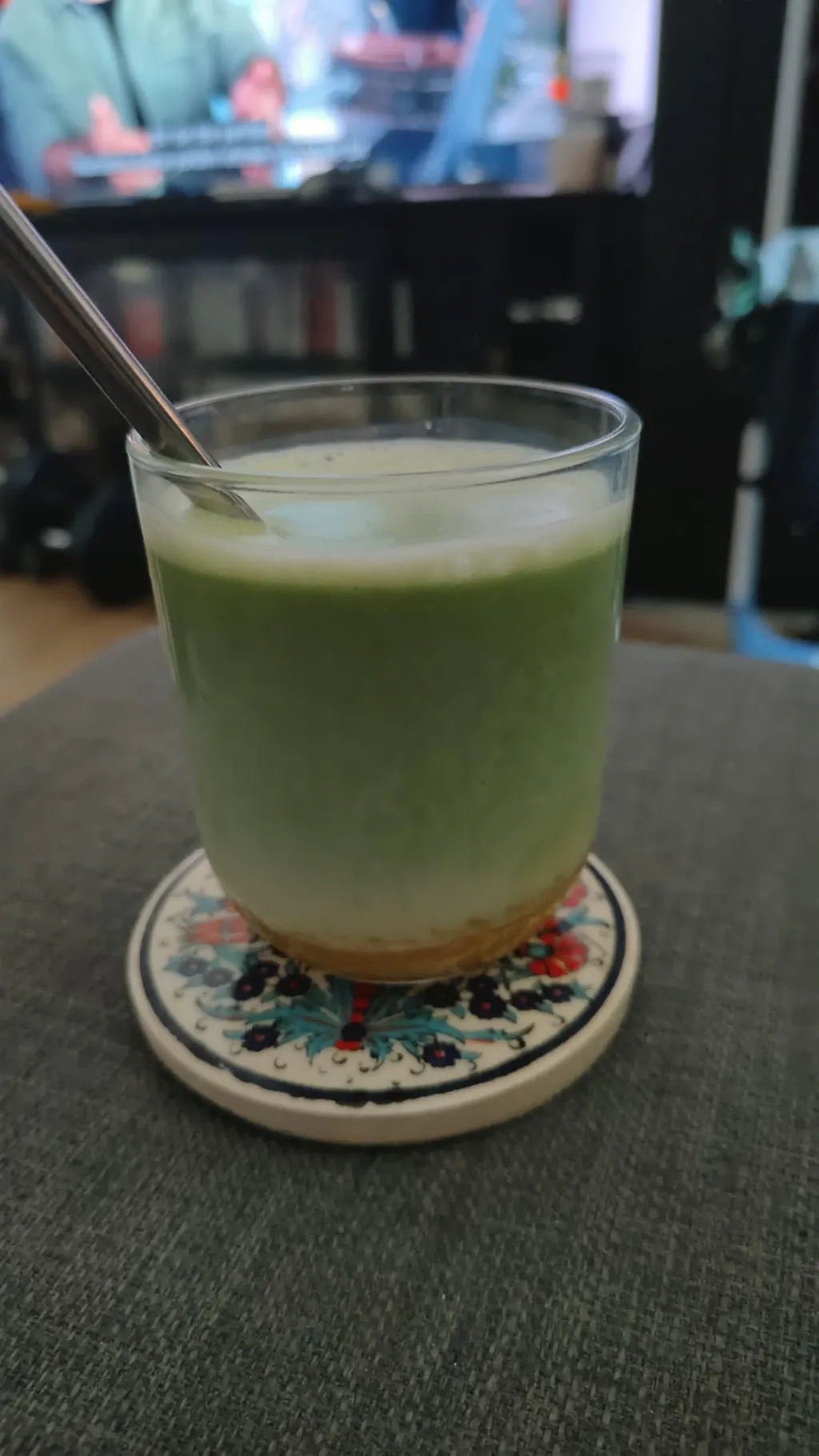
Matcha used to be more involved. You needed a bamboo whisk, a bowl, the right water temperature, and a bit of practice. That's still an option if you enjoy the process. But it's not the only way anymore. Making a matcha latte at home for example, seems like a fancy drink but very easy to prepare. The barrier that made matcha feel high-effort basically doesn't exist anymore.
So which one is better?
That depends on what you're optimising for.
If you want the fastest, strongest hit of caffeine and you like the taste of coffee, coffee works. There's nothing wrong with it.
But if you want energy that lasts without the crash, focus without the jitters, something that's easier on your stomach, or a cleaner alternative to three cups of coffee a day — matcha is genuinely worth trying. Not because it's trendy. Because of how it actually works.
The best way to find out is to try ceremonial grade matcha at home. Not café matcha, not supermarket matcha. The real thing.
Try Zenara's ceremonial grade matcha →
Zenara sources first-harvest ceremonial grade matcha from Japan and China. All products are certified vegan, halal, fair trade, and Rainforest Alliance approved. Free delivery across Europe.